
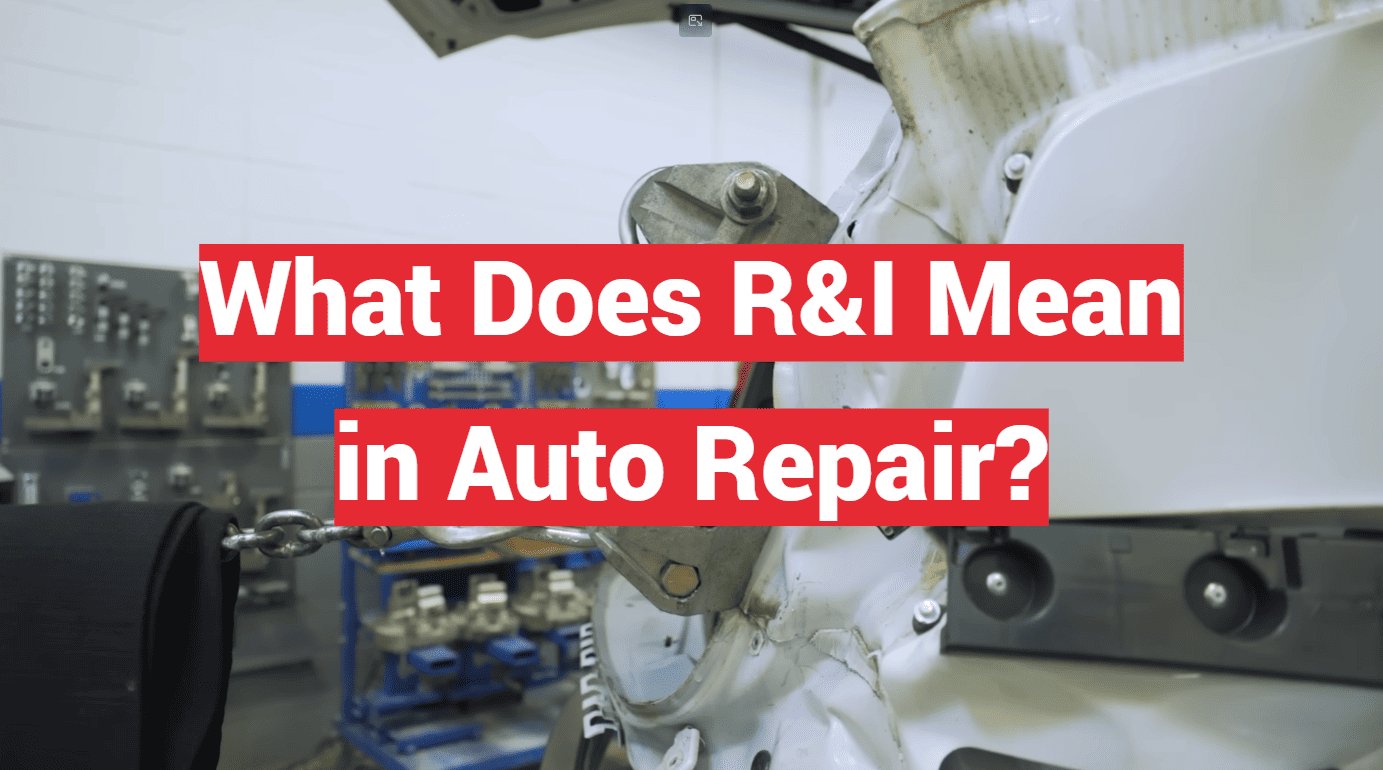
Did you know that nearly 80% of vehicle owners find auto repair estimates confusing? This statistic highlights a common challenge many face after an accident. Understanding the terms and codes used in these estimates is crucial for making informed decisions about vehicle repairs.
When reviewing a collision repair estimate, the abbreviation R&I often appears. This term refers to “Remove and Install,” which signifies a part that has been taken off a vehicle and then reattached during the repair process. However, the complexity of repair terminology can make it hard to grasp.
Each repair shop may present estimates differently, influenced by their specific software and practices. This variability can lead to confusion, especially when comparing different estimates. It’s essential to know exactly what each code means to avoid misunderstandings.
Elite Automotive Finishes stands out for its commitment to transparency. They ensure customers understand the necessary work and the meanings behind various codes in their estimates. This article will help clarify the significance of R&I and distinguish it from other terms like replacement and refinishing.
Key Takeaways
- R&I stands for “Remove and Install,” indicating parts taken off and then reattached.
- Repair estimates can vary significantly between shops and their software.
- Understanding repair terminology is essential for informed decision-making.
- Elite Automotive Finishes emphasizes clarity in explaining estimates.
- Being familiar with different codes helps avoid confusion during repairs.
Understanding the Collision Repair Estimate Process
Understanding vehicle repair estimates can be a daunting task for many owners. Each estimate includes several key components that outline the necessary work. The clarity of these details can significantly affect your decision-making.
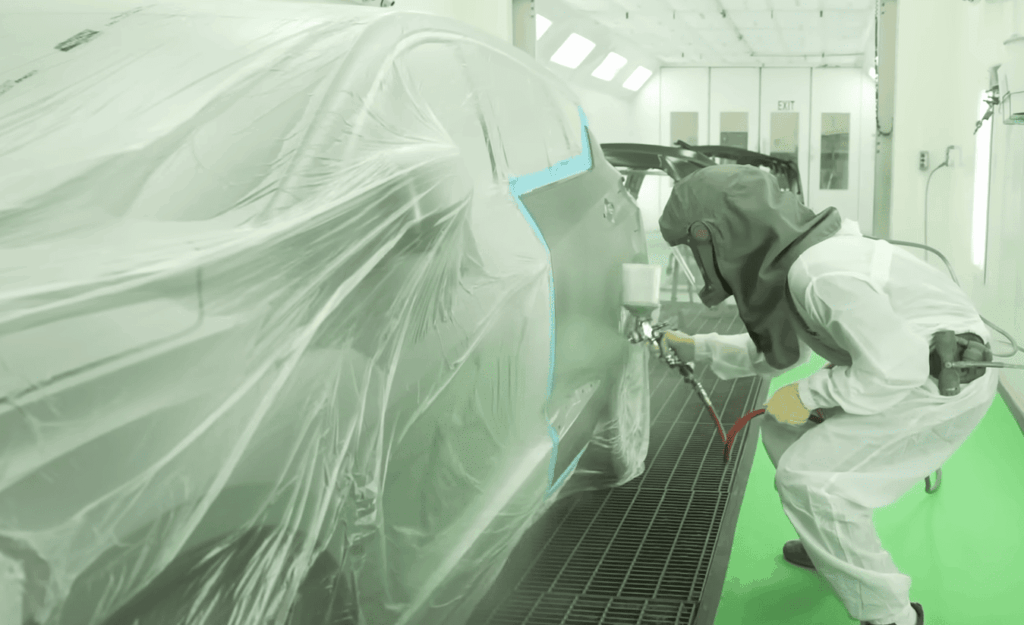
Reading your collision repair estimate involves identifying bold headings. These may include areas like “Right Front Fender,” “Left Rear Door,” and “Front Bumper.” Each heading highlights specific repairs or replacements needed for your vehicle.
Common codes are also present in estimates. For instance, R&I stands for “Remove and Install,” while Repl indicates a part that is replaced with a new one. Understanding these codes helps you know exactly what work is being done.
| Code | Description | Example |
|---|---|---|
| R&I | Remove and Install | Removing a bumper to fix underlying damage |
| Repl | Replace | Replacing a damaged fender with a new one |
| Rpr | Repair | Fixing a dent in a door |
| Refin | Refinish/Paint | Painting a repaired area |
| Subl | Sublet | Outsourced work like wheel alignment |
Insurance companies often provide the first estimate. However, these initial figures may not cover all hidden damages discovered during disassembly. Being aware of this can save you from unexpected costs later on.
what does r&i mean in auto repair
Navigating the world of vehicle repair can often feel overwhelming for many car owners. One term that frequently appears in repair estimates is R&I, which stands for “Remove and Install.” This process involves taking a part off the vehicle temporarily to access areas that require repair.
It’s important to note that R&I does not imply that the part is damaged. Sometimes, a part is removed solely to allow for better access to other repair areas. In contrast, the term Repl indicates that a damaged part is removed and replaced with a new one. This distinction is crucial when reviewing your repair estimate.
Another term, Rpr, refers to repairing the existing part instead of replacing it. Understanding these differences helps clarify why your estimate may include separate charges for removal, replacement, or repair. Accurate coding matters significantly to both the body shop and your insurance company, ensuring you know exactly what work is being done.
Navigating Removal and Installation Procedures
Many vehicle owners find themselves puzzled by the complexities of repair estimates. Understanding the remove and install process is essential. This workflow begins when a body shop removes a necessary component. After completing the related collision repair, the shop reinstalls that component.
Sometimes, a part removed for access may still be usable. This differs from a damaged part listed under a replace operation. Additionally, refinishing tasks such as sanding, preparation, and painting are performed during this process.
Some services, like wheel reconditioning and alignments, may appear as subl work. These are typically completed by an outside vendor. Elite Automotive Finishes keeps customers informed when disassembly reveals hidden damage or extra repair requirements.
Insurance companies often provide the initial estimate. However, the final repair estimate may grow after a more thorough inspection of the vehicle. It’s wise to ask your body shop to explain each item, labor category, and any estimate changes before approving additional work.
Conclusion
Understanding the nuances of vehicle repair estimates can empower car owners. R&I means “Remove and Install,” indicating that a part is temporarily taken off and returned after the related vehicle repair is completed.
Knowing terms like R&I, Repl, Rpr, Refin, and Subl helps customers read a collision estimate with greater confidence. Changes to estimates are normal when hidden damage or additional refinishing needs are discovered during disassembly.
It’s essential for customers to ask their shop and insurance company to clarify labor, parts, quantities, and prices, especially when new repair requirements arise. Elite Automotive Finishes emphasizes transparency and craftsmanship, ensuring customers understand every step of the process.
By reviewing the estimate carefully today, you can make the auto body repair process more predictable after an accident.